Sustainable practices are on the rise amongst leading names in the luxury hotel industry, which in turn has helped improve the environment and support local communities.
This article will discuss key changes specific hotels are making to support the sustainability agenda.
The omission of single-use plastics
Plastic waste is an ongoing crisis. At present, the world’s land, sea and air is being swamped with an ever-increasing volume of non-biodegradable plastics. If this issue is not tackled imminently, the amount of plastic waste thrown into the ocean will increase three-fold by the end of the year. The most effective counter-attack is to reduce the amount of plastic we use.
In 2020, the Best Western Opéra Liège in Paris eliminated the use of single-use plastic, becoming the first hotel in France to achieve this. With support from non-profit organisation “Racing For The Ocean”, the hotel has been able to glide into the role of consumer of zero single-use plastic. The changes, though initially small – replacing key cards, laundry bags and slippers – have moved to more unique yet substantial alternatives. For example, introducing paper coffee capsules that are compatible with the Nespresso machines featured in every room. Plus, there are three-in-one bathroom products to reduce excess bottles separating bodywash, shampoo and conditioner.
Best Western Opéra Liège is recognised as a zero-waste ambassador and as example for all hotels to follow. By 2024, France aims to eliminate all single-use plastics.
Drawing power from the sun
Nestled in the peaceful heart of the world’s most sustainable fully built city district is the Mandarin Oriental, Doha.
The hotel’s solar system places Mandarin, Doha in the top ten solar-powered luxury hotels in the world. Eighty percent of the hot water for guests’ rooms is provided by solar panels – the same solar panels provide hot water for the hotel’s restaurants and in-house services. The 16,560 kWh of electricity – generated each year by 49 photovoltaic panels – provides 3,400 hours of sun per year.
The Mandarin Group administered its sustainability program from 2012. Five years later the Doha branch was built considering the sustainable values already anchored throughout the organisation. As a result, the Doha branch naturally employs the eco-initiatives that its older siblings have worked hard to incorporate. The hotel holds a Gold Certification from the Leadership in Energy and Environmental Design (LEED), along with a Green Key Certification.
Bees – a rooftop affair
There is a new trend amid growing efforts to preserve the world’s fledgling bee population: rooftop beehives. Le Bristol hotel in Paris has invested in 6 rooftop beehives, and since 2017, have produced anything between 60-198kg of honey per year. However, this is not just a cost-effective way to bring biodiversity to the hotel. The hives provide a home for the bees – an endangered species that pollinate essential crop varieties that make up a large portion of the world’s food consumption.
The sustainability credentials are looking good, so far – yet, how does it taste? If we go by the results of the prestigious Ile-de-France honey competition, pretty good! The honey harvest of 2022 gained Le Bristol 2 gold medals for their Spring and Summer produce.
Reef restoration
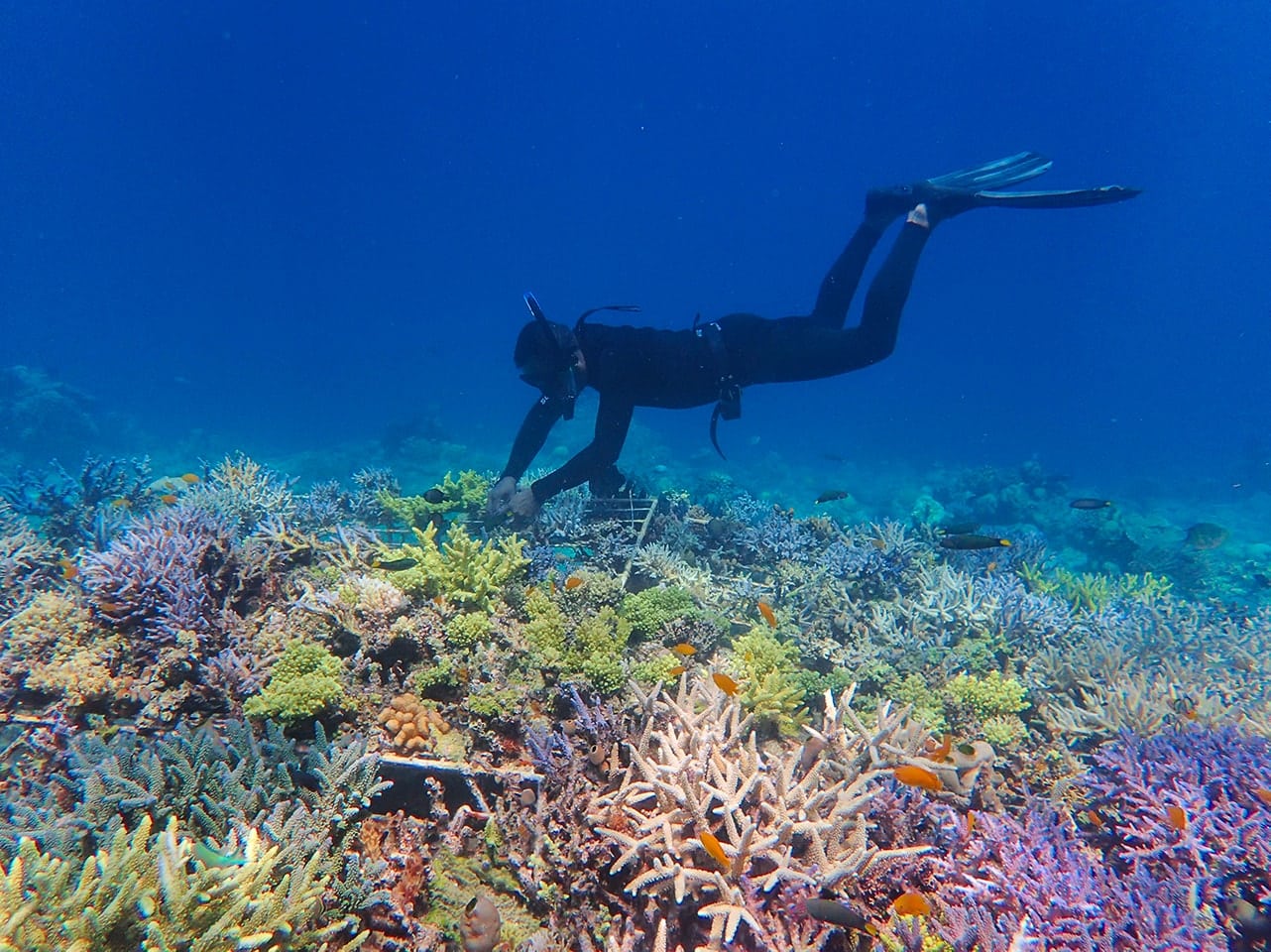
Rebuilding damaged coral reefs has been a leading agenda for many hotels who are investing their efforts to improve environmental protection. One hotel leading the charge is the Four Seasons Resort, Bora Bora.
Marine biologists work at the resort in coral grafting and restoration activities. This involves working with volunteering guests from the hotel to plant coral fragments within a metal mesh embedded on the seafloor.
The success rates have proven that coral gardening, although labour-intensive, is an overall fulfilling task for volunteering guests. The positive ramifications of this activity are in part due to the coral reef maturing within a year, sometimes as early as six months. Guests who planted the coral frames can name their instalments and receive updates to monitor the growth of their “garden”. In terms of figures, the growth rate of corals has increased by as much as 200% in just three months.
There are many other sustainable measures that hotels are taking to become more environmentally conscious. For example, reducing food waste, expanding upon responsible sourcing for coffee & tea, as well as improving energy efficiency and reducing carbon footprint. Overall, the surge of hotels incorporating sustainability measures proves that fighting climate change is no longer a trend, it is a necessity.
 Accompanyu