With growing concern about plastic waste and harmful chemicals leaching into our drinking water, more people are seeking safer alternatives for their hydration habits. The benefits of glass water bottles extend far beyond simple aesthetics – they represent a game changer for both personal health and environmental responsibility. Unlike plastic bottles that can release toxins into your drink, glass offers a pure, safe solution that enhances your overall drinking experience while supporting sustainable living practices.
Whether you’re an outdoor enthusiast looking for a durable water bottle, a health-conscious individual concerned about bisphenol a exposure, or someone committed to reducing plastic waste, understanding the advantages of glass bottles can transform how you think about hydration. From superior taste preservation to long-term cost savings, glass water bottles provide benefits that make them the perfect choice for anyone serious about their well being and environmental impact.
Health and Safety Advantages
Complete Freedom from Harmful Chemicals
Glass water bottles offer complete protection from the harmful chemicals commonly found in plastic bottles. Unlike plastic, glass is entirely non toxic and doesn’t contain bisphenol a, phthalates, or PVC – substances that have been linked to hormonal disruptions and overall health concerns. When you drink from glass bottled water containers, you eliminate the risk of these chemicals leaching into your drinking water, even when exposed to heat or stored for extended periods.
The difference becomes particularly important when you consider how much water you consume daily. Many plastic bottles release more chemicals when left in a hot car or exposed to sunlight, but glass maintains its safety regardless of temperature fluctuations. This makes glass bottles ideal for people with chemical sensitivities who might experience reactions to substances that leach from plastic or metal bottles.
Non-Reactive Surface Protection
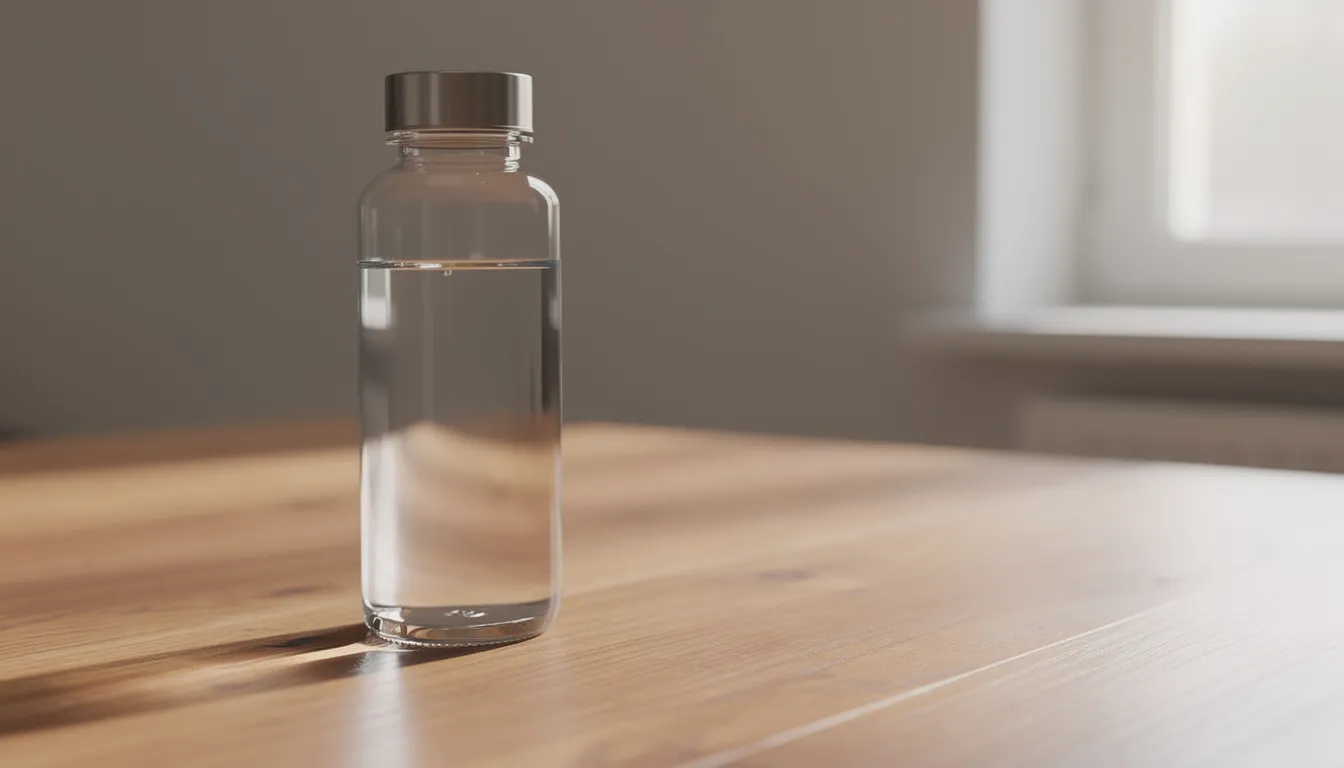
Glass provides a completely non-reactive surface that prevents the absorption of flavors, odors, or bacteria from previous beverages. This characteristic ensures that each sip delivers pure water without contamination from what you drank before. Unlike plastic water bottles that can absorb odours and develop a persistent taste over time, glass maintains its pristine condition with repeated use.
The smooth, non-porous surface of glass also resists bacterial colonization better than plastic materials. Research shows that plastic surfaces harbor significantly higher microbial loads compared to non-porous materials, making glass bottles a safer choice for maintaining proper hygiene during repeated use.
Zero Chemical Leaching Under All Conditions
Even when exposed to heat, sunlight, or acidic drinks like lemon water, glass bottles maintain their chemical stability. This heat resistance means you can safely fill your bottle with hot beverages like tea or coffee without worrying about chemicals leaching into your drink. The material remains stable up to 500°F (260°C), making it suitable for both hot and cold liquids without compromising safety.
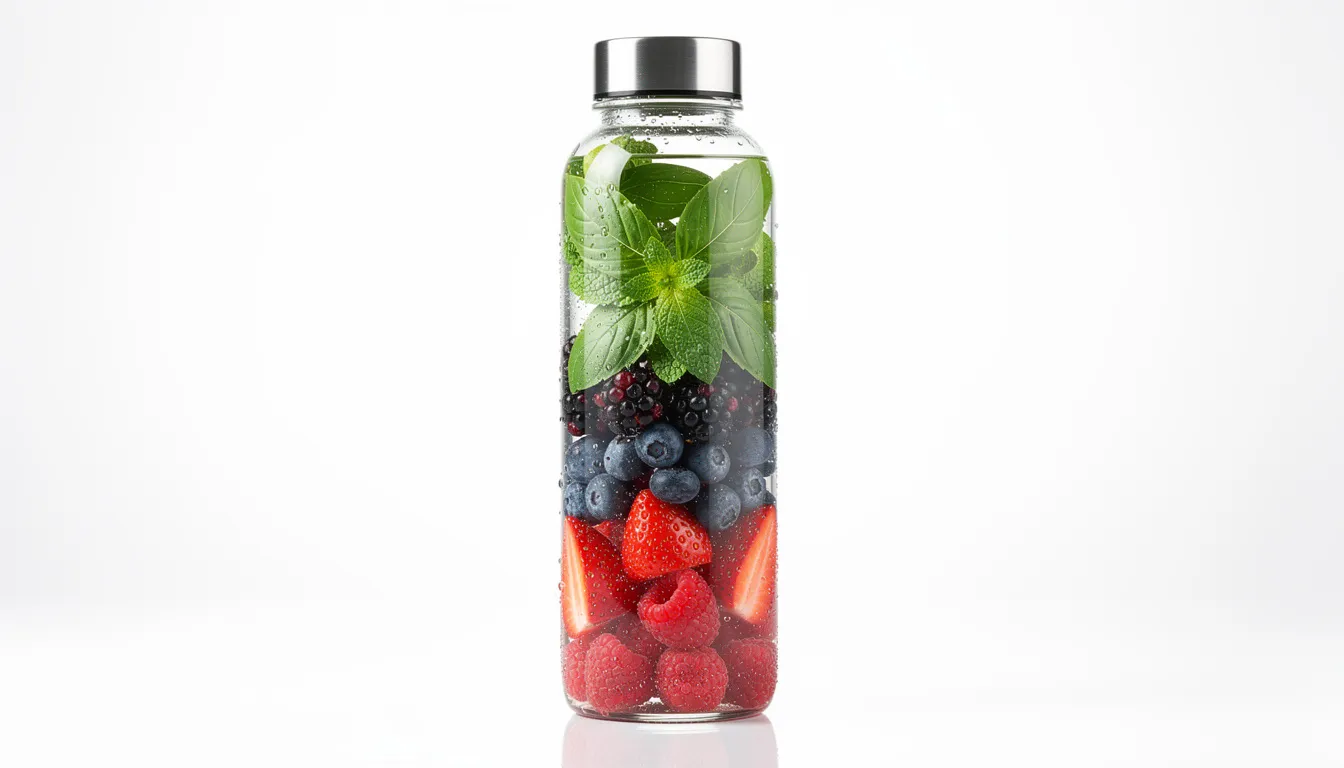
This stability makes glass bottles particularly valuable for people who enjoy infused water with fruits, herbs, or vegetables. The acidic nature of citrus fruits can accelerate chemical leaching in plastic bottles, but glass remains completely inert, preserving both the flavor and safety of your infused beverages.
Superior Taste and Purity
Authentic Flavor Preservation
Glass maintains the original taste of water without introducing any metallic taste or plastic flavors that commonly develop in other container types. Unlike stainless steel bottles, which can impart a metallic taste, or plastic bottles that develop distinctive plastic flavors over time, glass provides a completely neutral taste experience that allows you to enjoy pure water as nature intended.
The non-permeable surface of glass prevents contamination and keeps water fresh for extended periods. This quality becomes particularly important for people who prefer to prepare large quantities of infused water or store filtered water for several days. Glass preserves the intended flavor profile without any interference from the container material.
Crystal-Clear Transparency for Quality Inspection
The transparency of glass allows you to visually inspect your water quality and ensure cleanliness before drinking. This visual confirmation provides peace of mind that isn’t possible with opaque stainless steel water bottles or metal water bottles. You can immediately see if your water needs filtering or if the bottle requires cleaning, helping maintain optimal hygiene standards.
This transparency also enhances the drinking experience by allowing you to appreciate the clarity and purity of your water. When using glass bottles for infused beverages, you can watch the natural colors and textures of fruits and herbs blend with the water, creating an appealing visual presentation that encourages better hydration.
No Flavor Transfer Between Uses
Glass bottles excel at preventing flavor transfer between different beverages, making them ideal for people who alternate between plain water, infused water, and other drinks. Unlike plastic bottles that can retain flavors and odors from previous uses, glass provides a completely clean slate for each filling. This characteristic makes glass bottles particularly suitable for people who enjoy variety in their hydration choices without worrying about lingering tastes affecting their drinking experience.
Environmental Impact and Sustainability
Infinite Recyclability Without Quality Loss
Glass bottles offer 100% recyclable material that can be reprocessed infinitely without any degradation in quality. Unlike plastic, which loses integrity with each recycling cycle and eventually becomes unsuitable for food contact applications, glass maintains its properties through endless recycling loops. This fundamental advantage supports circular economy principles and reduces the need for new raw material extraction.
The energy savings from glass recycling are substantial – recycling just one glass bottle saves enough energy to power a 100-watt light bulb for four hours. When multiplied across millions of bottles, this energy conservation contributes meaningfully to reducing overall environmental impact while supporting sustainable manufacturing practices.
Dramatic Reduction in Single-Use Plastic Consumption
Americans discard over 22 billion plastic bottles annually, creating massive waste streams that pollute oceans and harm wildlife. By switching to a reusable glass water bottle, individuals can eliminate hundreds of single use plastic bottles from their annual consumption. This reduction directly decreases demand for new plastic production while preventing waste from entering landfills and marine environments.
The environmental benefits compound over time. A single glass water bottle used for just one year can replace 300-400 disposable plastic bottles, representing a significant positive impact on waste reduction. Unlike plastic bottles that break down into microplastics and contaminate ecosystems, glass remains structurally intact and recyclable throughout its lifecycle.
Zero Contribution to Microplastic Pollution
Glass bottles completely eliminate your contribution to microplastic pollution in oceans and water systems. Research indicates that microplastics from degraded plastic bottles contaminate marine life and enter the food chain, creating long-term environmental and health consequences. By choosing glass, you ensure that your hydration choices don’t contribute to this growing environmental crisis.
The durability of glass means it doesn’t shed particles into the environment like plastic materials do. Even if a glass bottle breaks, it doesn’t create the microscopic pollution that plastic generates as it slowly degrades in natural environments.

Durability and Long-Term Value
Advanced Glass Construction Technology
Modern glass water bottles utilize borosilicate and tempered glass construction that resists thermal shock and impact damage far better than traditional glass products. This advanced engineering creates bottles that withstand the demands of daily use while maintaining their structural integrity over years of service. The specialized glass formulations used in quality bottles provide durability that rivals metal bottles while offering superior chemical inertness.
Unlike plastic bottles that become cloudy, develop cracks, or degrade over time, glass maintains its appearance and functionality indefinitely with proper care. The material doesn’t suffer from fatigue or degradation that affects other bottle materials, ensuring consistent performance throughout the bottle’s lifespan.
Cost-Effective Long-Term Investment
While glass bottles typically cost $15-30 initially, this investment pays for itself within 2-3 months when compared to repeatedly purchasing disposable bottles. A quality glass water bottle can last 5-10 years with normal use, providing exceptional value compared to the ongoing costs of single use plastic bottles or the replacement needs of lower-quality alternatives.
The math becomes compelling when you consider that the average person spends $200-400 annually on bottled water. A single glass bottle eliminates this recurring expense while providing superior taste, safety, and environmental benefits. The long-term cost savings often exceed $1,000 over a bottle’s typical lifespan.
Heat Resistance and Cleaning Versatility
Glass bottles handle extreme temperature variations without compromising their structure or safety. The heat resistance allows for thorough cleaning with hot water and sterilization when needed, ensuring optimal hygiene that’s difficult to achieve with temperature-sensitive materials. This thermal stability also means you can safely use your glass bottle for hot beverages without worrying about damage or chemical release.
Most glass bottles are dishwasher safe when placed on the top rack, though hand washing extends their lifespan by preventing potential impacts with other dishes. The smooth glass surface cleans easily without requiring specialized brushes or cleaning tablets that metal bottles often need.
Addressing Common Concerns About Glass Water Bottles
Weight Considerations in Perspective
Modern glass bottles typically weigh only 2-4 ounces more than comparable plastic alternatives – a minor inconvenience that’s quickly overshadowed by their benefits. Many users find that the superior taste and safety benefits far outweigh the slight weight increase. For context, the weight difference equals about half an apple, making it negligible for most daily activities and exercise routines.
The weight distribution in quality glass bottles is engineered for comfortable handling, and many designs include ergonomic features that make them easier to grip and carry than heavier stainless steel alternatives. When you consider the health and environmental benefits, the minimal weight difference becomes a worthwhile trade-off.
Breakage Protection and Safety Features
Contemporary glass water bottles incorporate protective silicone sleeves and reinforced designs that minimize breakage risk during normal handling. These protective features absorb impacts and provide secure grip surfaces that reduce the likelihood of drops. Many bottles also feature reinforced bottoms and stress-relief designs that distribute impact forces effectively.
Quality manufacturers test their products extensively for durability, and proper handling makes breakage extremely rare. The risk is comparable to other glassware you use daily, such as drinking glasses or food storage containers, and the safety benefits of chemical-free hydration far outweigh the minimal breakage risk.
Cleaning and Maintenance Simplicity
Glass bottles require no specialized cleaning equipment or techniques beyond normal washing practices. The smooth, non-porous surface prevents buildup of residue or odors that plague other bottle materials. Unlike metal bottles that may require bottle brushes for thorough cleaning or plastic bottles that develop persistent odors, glass bottles clean easily with standard dish soap and water.
Wide-mouth designs in many glass bottles facilitate easy cleaning and ice cube insertion, addressing practical concerns about daily use and maintenance. The transparency allows you to verify cleanliness visually, ensuring optimal hygiene with minimal effort.
Practical Daily Use Benefits
Effortless Cleaning Without Special Tools
Glass water bottles clean more easily than stainless steel bottles or metal water bottles that often require bottle brushes or specialized cleaning tablets. The smooth glass surface doesn’t harbor bacteria or develop buildup like textured surfaces can, making routine cleaning simple and effective. You can achieve thorough cleaning with just dish soap and water, without worrying about reaching difficult corners or crevices.
The ease of cleaning encourages better hygiene habits since users don’t avoid washing their bottles due to complexity. This straightforward maintenance helps ensure that your bottle remains sanitary and pleasant to use, supporting consistent hydration throughout the day.
Leak-Proof Performance for Active Lifestyles
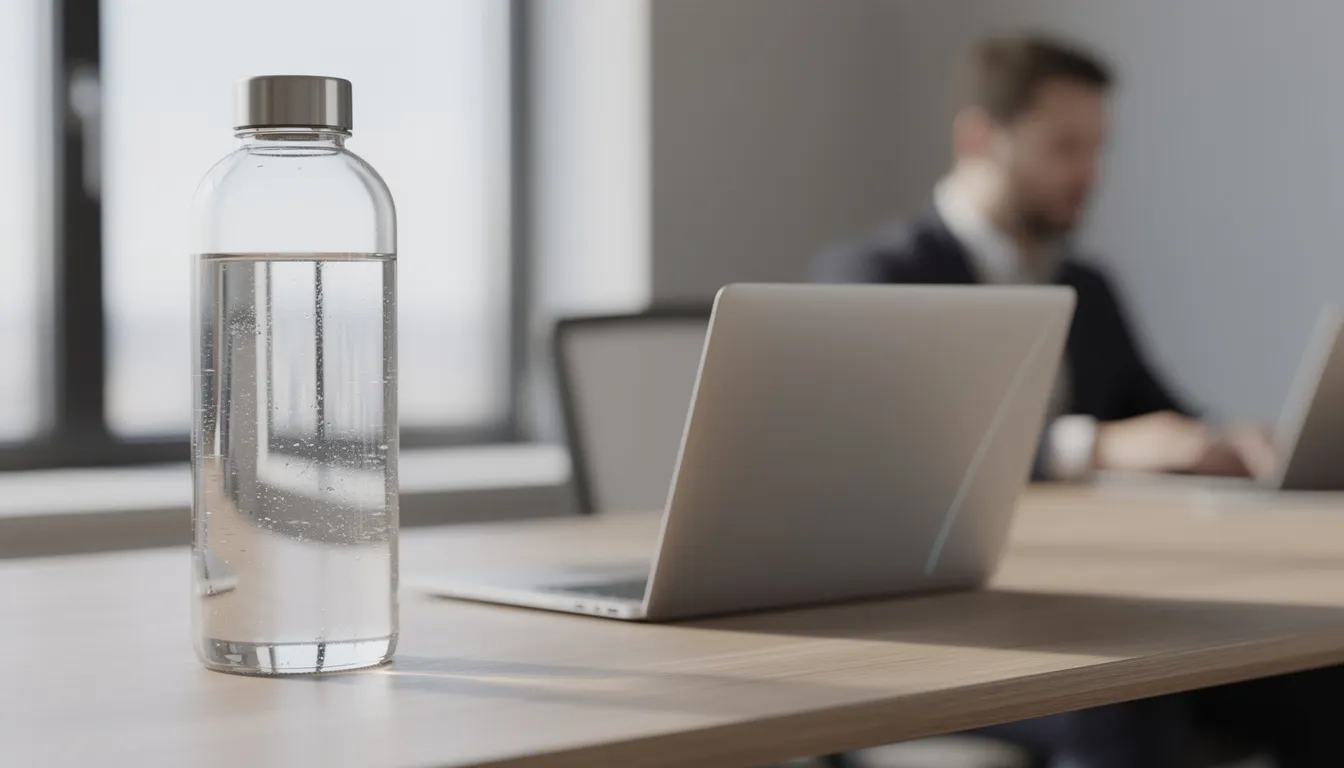
Quality glass water bottles feature secure cap systems that provide leak-proof performance suitable for gym bags, backpacks, and travel situations. Modern designs incorporate advanced sealing technology that prevents leaks while maintaining easy access to your drink. This reliability makes glass bottles practical for outdoor activities, commuting, and professional settings where leaks could damage electronics or documents.
The secure sealing also helps maintain water temperature and prevents contamination during transport. Unlike some metal bottles that can develop seal problems due to denting, glass bottles maintain consistent seal integrity throughout their lifespan.
Temperature Retention and Comfort
Glass bottles naturally keep water cold for 6-8 hours without producing condensation that can make bottles slippery or damage surfaces. This temperature retention occurs through the thermal mass of the glass itself, providing cooling benefits without requiring double-wall construction. The absence of condensation makes glass bottles more comfortable to handle and safer for use around electronics.
For people who prefer room temperature water, glass bottles don’t impart any metallic taste or temperature sensitivity that can affect the drinking experience. This neutral thermal behavior makes glass bottles suitable for any temperature preference without compromising taste or comfort.
Professional Appearance and Social Acceptance
Glass water bottles offer an elegant appearance that’s appropriate for professional settings, business meetings, and social occasions where appearance matters. The clean, sophisticated look of glass complements any environment without appearing out of place or unprofessional. This aesthetic advantage makes it easier to maintain hydration habits in all settings, supporting consistent water intake throughout the day.
The visual appeal of glass bottles often encourages their use, helping people drink more water because they enjoy the experience. This psychological benefit contributes to better overall hydration and health outcomes.
Why Glass Outperforms Plastic and Metal Alternatives
Superior Chemical Safety Profile
Unlike plastic bottles that contain endocrine disruptors linked to hormonal imbalances and reproductive issues, glass provides complete chemical inertness that protects your health with every sip. Research consistently shows that plastic containers can release chemicals even when they’re labeled as “BPA-free,” since alternative chemicals like BPS and BPF pose similar health concerns.
Glass also outperforms aluminum bottles, which often have interior linings that may contain BPA or other chemicals that can degrade over time. These linings can be compromised by repeated washing or exposure to acidic beverages, potentially exposing users to unwanted chemical contact. Glass eliminates these concerns entirely through its naturally inert properties.
Structural Integrity Advantages
Metal bottles risk denting or deformation that can compromise seal integrity and affect performance over time. These structural changes can create areas where bacteria accumulate or where sealing mechanisms fail. Glass bottles maintain their original form and function throughout their lifespan, ensuring consistent performance and hygiene.
The smooth interior surface of glass bottles makes it easier to verify cleanliness compared to opaque stainless steel containers where you cannot see potential buildup or contamination. This transparency provides ongoing assurance about your bottle’s condition and cleanliness.
Long-Term Storage and Freshness
Glass bottles excel at long-term water storage without developing stale tastes or supporting bacterial growth that can occur in other materials. The chemical inertness of glass prevents any interaction between the container and contents, maintaining water quality for extended periods. This makes glass bottles ideal for emergency preparedness, camping, or situations where water might be stored for days or weeks.
Unlike plastic or metal alternatives that can develop odors or tastes over time, glass bottles remain neutral and fresh-tasting regardless of storage duration. This consistency ensures that your water always tastes as intended, encouraging better hydration habits and overall health outcomes.
The environmental benefits of choosing glass extend beyond personal use to support broader sustainability goals. Every person who switches from disposable plastic bottles to a reusable glass water bottle contributes to reducing demand for single-use plastics and supporting circular economy principles. This individual action, multiplied across communities, creates meaningful positive impact on environmental health and resource conservation.
Making the switch to glass water bottles represents more than just a product choice – it’s a commitment to personal health, environmental responsibility, and sustainable living practices that benefit both individuals and the planet. With their combination of safety, taste preservation, durability, and environmental benefits, glass water bottles offer a comprehensive solution for conscious consumers who value quality, health, and sustainability in their daily hydration choices.
 Accompanyu